
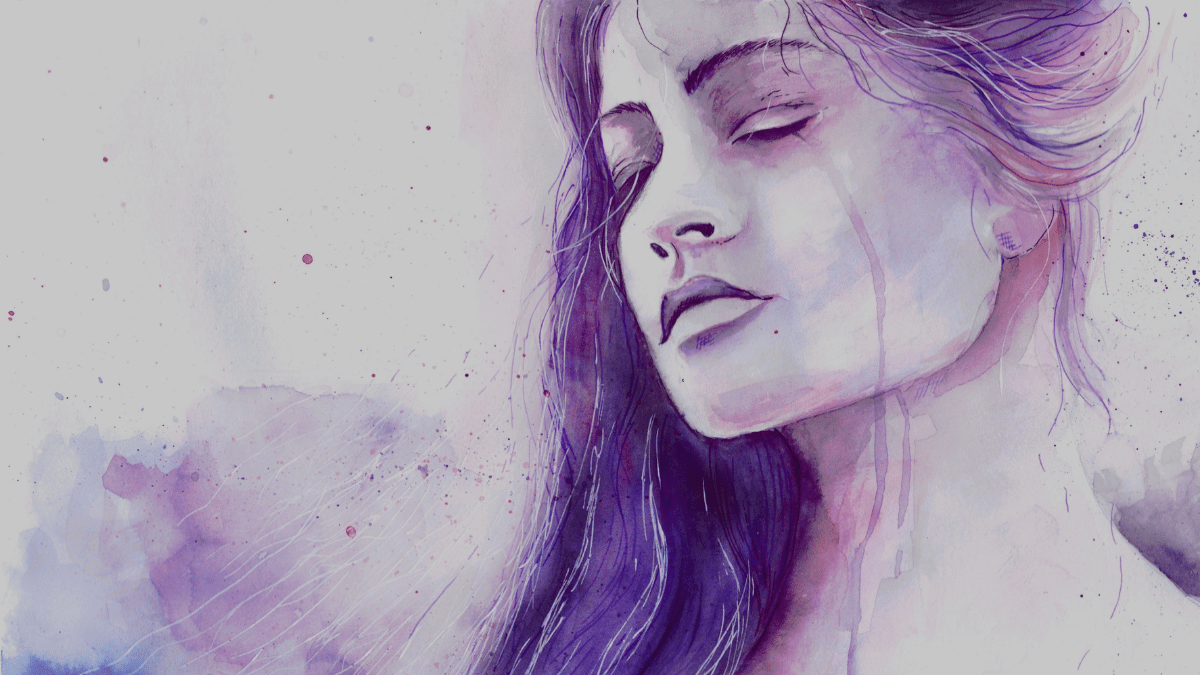
Mother’s Day tends to hold space for many things: celebration, ambivalence, gratitude, grief, and, for some, a quiet, desperate longing. We acknowledge the beauty and weight of motherhood, the complexity of maternal relationships, and the pain of those who hoped for children and did not have them.
A story rarely named
But there is also a lesser-recognised story beyond these familiar narratives. It’s the story of women whose opportunity for motherhood was hindered in ways they couldn’t fully see or understand at the time. Her pathway to motherhood was shaped by what was hidden within her relationship. It was interrupted by her husband’s hidden homosexuality or gender identity.
The reality of childlessness was shaped by missing information, relational ambiguity, and, often, time.
Motherhood can be interrupted before it even truly begins.
When motherhood is shaped by a partner’s secrecy
In some of these relationships, motherhood didn’t happen because the relationship never truly allowed for it. These women spent years in marriages where intimacy was inconsistent, confusing, or altogether absent. Where something perhaps felt “off,” but was never fully explained. Where attempts to conceive were met not just with disappointment, but with distance, avoidance, or rejection.
Many women who struggle with infertility blame themselves. “It must be my fault.” “I’m too stressed; I want this too much.” “There’s something wrong with me.” But in these relationships, it may actually be her husband’s secrecy that kept motherhood out of her reach. He may have been:
- having secret sexual encounters with men while limiting or avoiding sexual intimacy with his wife
- suppressing his homosexuality and struggling to maintain false heterosexual relations
- Secretly taking hormone blockers, making conception unlikely, if not impossible
The possibility of motherhood interrupted
By the time clarity comes, if it comes at all, her biological clock has moved on, and the window for motherhood has narrowed or closed. What remains is not only the grief of childlessness, but the deeper grief of never really having been given a chance.
The possibility of motherhood was interrupted by:
- withheld truth
- relational disconnection
- years spent trying to make sense of something that didn’t add up
She is left questioning her body, maybe even hating it for having “failed” her. Sadly, she may never come to know that it wasn’t her fault.
Instead of a child in her arms, she carries a burden of grief that doesn’t quite fit anywhere. There is no clear ritual for it. No widely recognised language to express what happened. There is no simple way to explain: “I didn’t just lose the chance to have a child. The chance never truly existed.”
Motherhood eventuates for some women due to timing, partnership, emotional safety, and shared intention. For others, those foundational elements are in place, yet motherhood fails to eventuate. In these cases, the relationship will hopefully remain strong as they face a childless future together,
Sadly, when those foundations are compromised through secrecy or a double life, childlessness is accompanied by relational pain, which makes it difficult to face the future together.
A grief acknowledged
If this post touches something personal in you, please know:
Your grief is valid.
The longing for a child was valid.
Your confusion made sense.
You were navigating something beyond your awareness.
Whatever you feel about this is what you need to feel right now. You might be angry, sad, or resentful about lost time and choice. This isn’t an overreaction, but a response to something deeply consequential.
There is no tidy resolution to this kind of ambiguous loss, but acknowledging it can help. Naming it and honouring what was hoped for.
Sadly, this is something I see often in my clinical work with women navigating betrayal and relational secrecy. Too many women have longed desperately for a child, only to later discover the path was thwarted by her husband secretly taking hormone blockers. Or the infrequency of sex due to her husband’s same-sex attraction made conception almost impossible. Coming to terms with the outcome is challenging but, thankfully, not impossible. Grief may be a lifelong companion, but life builds around it, too.
Reclaiming your identity as a whole woman
Over time, I hope that you can gently reclaim a sense of authorship in your life. Perhaps at the moment, you’re looking at a blank page. Eventually, you will begin to write your next chapter, knowing that your partner may have partially written the prequel, but this chapter is all yours.
Days like Mother’s Day may always bring reminders of what might have been. They can also be a marker in time, a moment for reflection and meaning-making, a reminder of who you are now and what is yet to come.
Your experience deserves far more recognition than it has received. It deserves acknowledgement and validation.
And you deserve to be seen as a whole, complete woman. You are more than enough, just as you are.





Thanks for this. My ex came out as trans as we were discussing starting a family. I’m relieved in some ways that it didn’t happen postpartum (as I have seen is common on many forums for women in my situation). But I feel grief, especially as I got breast cancer during our divorce and have had to go on hormone blockers myself. Though, mine are hardly gender affirming!
I do agree with my Mother’s Day feeling I could have Mothers Day back to when my children were babies. Longing for what I don’t have now, since my husband is GAY!